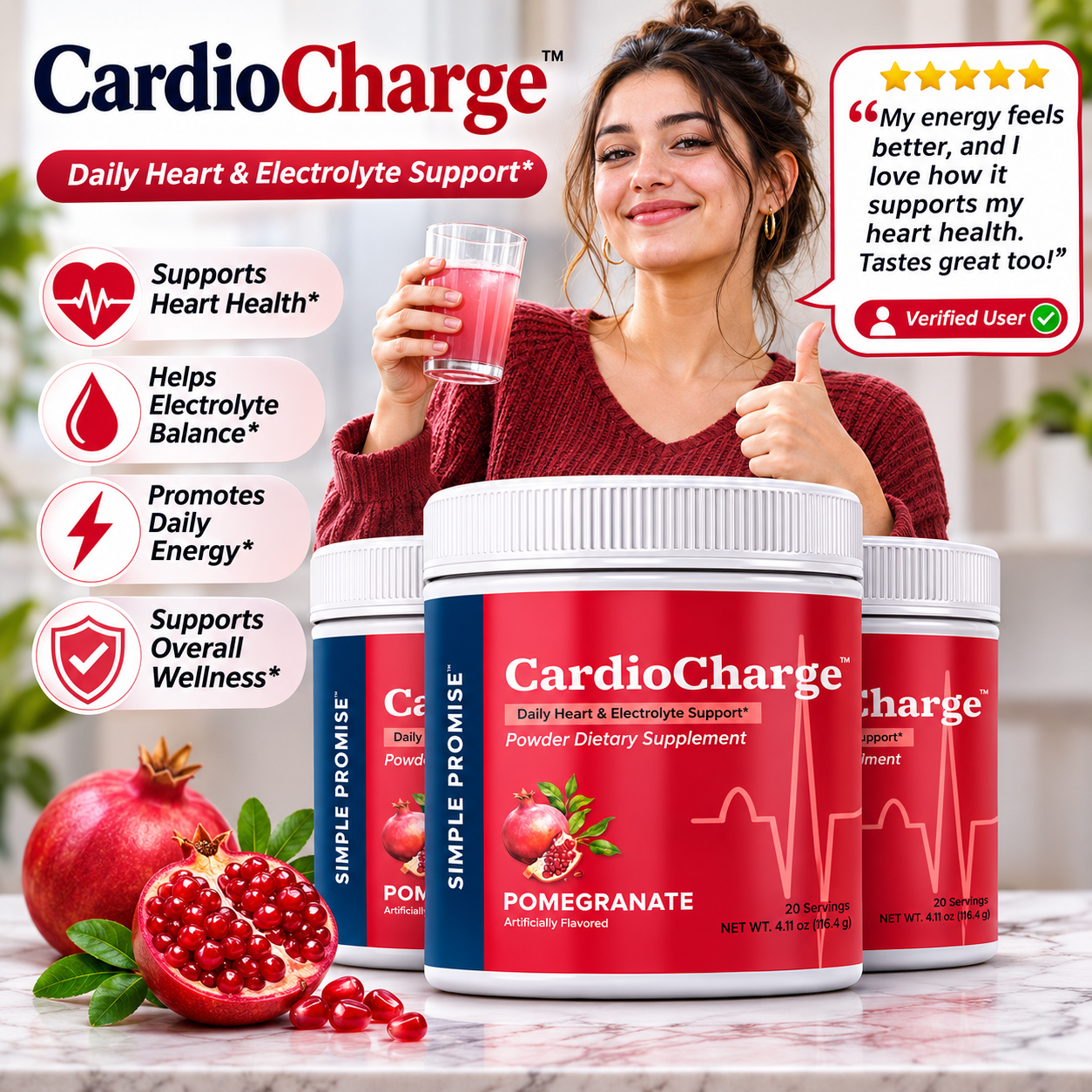
Plenty of energy products rely on caffeine. CardioCharge takes a different route, using nutrients that sit inside the body's own energy and fluid systems. This article explains that route in plain language, and it is clear about the limits of what a powder drink can do. For the formula itself, keep the ingredient breakdown open in another tab.
Two Systems, One Drink
The formula speaks to two separate systems. The first is the cellular energy system, where molecules called ATP carry energy to wherever the cell needs it. The second is the fluid and electrolyte system, where minerals help regulate how water and electrical signals move through the body. D-Ribose and magnesium touch the first. Potassium, sodium and magnesium touch the second.
What ATP Is and Why D-Ribose Is in the Conversation
ATP stands for adenosine triphosphate. Cells make it constantly and spend it just as fast, powering muscle contraction, nerve signaling and countless chemical reactions. D-Ribose is a simple sugar that forms part of the ATP molecule's structure.
Because ribose is part of the structure, it features in discussions about energy nutrition. CardioCharge contains 3,000 mg per serving, the largest amount in the tub. That is the heart of its energy idea: provide a nutrient connected to ATP, rather than a stimulant that merely makes you feel alert.
What this does not mean
Mentioning ATP in a label does not turn a drink into a battery. The body regulates its own ATP tightly, and research on D-Ribose has looked at specific groups, doses and conditions. Treat the ingredient as supportive nutrition. If you feel tired all the time, a doctor, not a supplement, is the first stop.
Magnesium: The Bridge Between Both Systems
Magnesium, at 190 mg per serving as magnesium glycinate, is needed by enzymes that turn food into usable energy. It is also an electrolyte that supports normal muscle and nerve function. That double role is why it appears in discussions of both energy and hydration, and why we flagged it in the ingredients list article.
The Electrolyte Trio
Electrolytes are minerals that carry an electrical charge when dissolved in body fluids. Three of them feature here.
- Potassium (380 mg): concentrated inside cells, it supports fluid balance, nerve signals and muscle contraction.
- Sodium (140 mg): mostly outside cells, it works with potassium to regulate fluid distribution.
- Magnesium (190 mg): supports muscles, nerves and enzymes.
Plain water contains almost none of these. That is why sports drinks and electrolyte powders exist, and why a sugar-free option appeals to people who want hydration support without the added sugar.
Why Plant Extracts and Glycine Are Along for the Ride
Hibiscus and Hytolive® olive extract add polyphenols, the protective plant compounds that give hibiscus its ruby color and olives their bitter bite. L-Glycine adds an amino acid that the body uses for proteins. Neither is the headline of the energy story, but they broaden the nutrition beyond minerals and a single sugar.
A Realistic Daily Routine
Using the product is simple. Mix one serving with water according to the tub directions, and do it at a time you will remember. Some people prefer the morning, others take it after exercise or in the afternoon. Whatever you choose, stay within the serving size on the label.
The twenty-serving tub lasts a little under three weeks at one serving a day. If you are weighing package sizes, the price and bonus article compares them.
Who Should Be Careful
Potassium, magnesium and sodium need extra thought for people with kidney conditions, anyone on a restricted diet, and people who take medication that affects electrolytes. Pregnant or nursing women should also ask their clinician first. Keep the product away from children. Our disclaimer and the reviews page both repeat these cautions.
Setting Honest Expectations
A drink like this works quietly. You are unlikely to feel a switch flip, because nutrition rarely behaves that way. What you may notice is that a sugar-free, caffeine-free drink is an easy habit to keep, which can nudge your hydration and mineral intake in a useful direction.
Common Questions About Energy and Hydration
Will it replace my coffee?
Not necessarily. CardioCharge has no caffeine, so it will not give the alert feeling coffee does. Some people choose it as an afternoon alternative, while others use both.
Is it only for athletes?
No. Electrolytes matter for anyone who sweats, spends time in heat, eats a low-produce diet or simply wants an alternative to sugary drinks. Athletes are one audience, not the only one.
How is this different from a plain electrolyte powder?
The difference is the extra layer: D-Ribose for the energy pathway, two plant extracts for polyphenols and glycine for amino acid nutrition. Compare the full list in the ingredients article.
Next Steps
If the approach makes sense, compare it with the labeled amounts on the official overview, read what customers say in our reviews article, and return to the home-page explanation for the short version. Prices and the 365-day guarantee appear on the secure order page.
CardioCharge essentials: CardioCharge home page official overview reviews ingredient breakdown